Summer Lawn Stress 101: Yellow Patches, Fungal Spots & What to Do About Them

Summer Lawn Stress 101: Yellow Patches, Fungal Spots & What to Do About Them

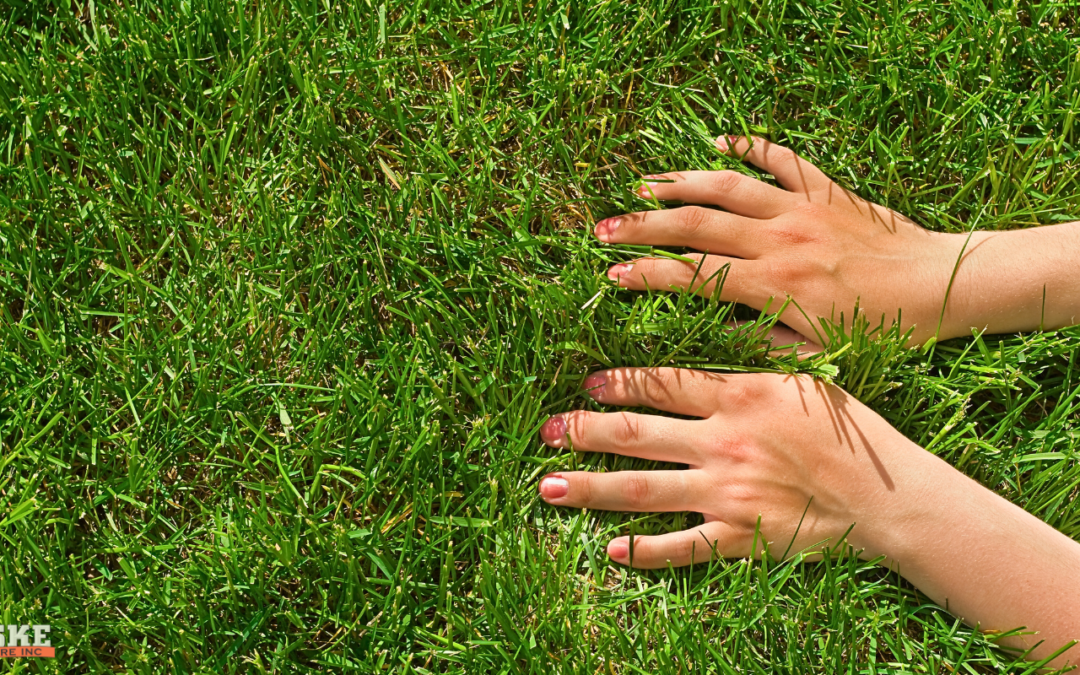
Summers in Madison, Wisconsin can be beautiful—but also brutally humid. While you might enjoy a lakeside breeze or a night at Concerts on the Square, your lawn might be sweating it out. High humidity, warm temperatures, and the occasional summer downpour can create a perfect storm for lawn stress. If you’ve noticed yellow patches, mysterious spots, or tired-looking turf, your grass might be waving a little white flag.

Let’s break down some of the most common heat- and humidity-related lawn problems, how to spot them, and what you can do to help your lawn bounce back.


1. Yellow Patches: What’s Going On?

Yellow patches are one of the first signs your lawn might be struggling. While discoloration can stem from several sources, during humid weather, heat stress and inconsistent watering are usually the main culprits.

What to look for:

  • Grass blades turning yellow or straw-colored
  • Uneven patches that may grow larger over time
  • Soil that feels hard or dry, especially during prolonged heat

What to do:

  • Water deeply, but not daily. Aim for about 1–1.5 inches per week, early in the morning to reduce evaporation and fungal risk.
  • Avoid mowing too short—keep your mower blade at around 3 inches to give your grass some shade and protect the roots.
  • Sharpen mower blades! Dull blades tear grass, leaving it more vulnerable to stress and disease.

2. Fungal Trouble: Dollar Spot & Brown Patch

Warm, wet conditions are ideal for fungi—and unfortunately, Madison summers often deliver both. Two of the most common fungal diseases in our area are dollar spot and brown patch.

Dollar Spot:
This fungal disease gets its name from the small, silver-dollar-sized spots it creates. They can blend together and form larger patches if left untreated.

Brown Patch:
Brown patch typically shows up as larger, irregular brown or tan areas with a darker “smoke ring” edge. It thrives in overnight humidity and can spread quickly.

What to look for:

  • Circular or irregular discolored spots
  • Greasy-looking or water-soaked grass blades in the morning
  • Disease progression after rainy or overly humid weather

What to do:

  • Water early in the day—never in the evening—so grass has time to dry before nightfall.
  • Avoid overwatering and overfertilizing, especially with nitrogen-rich fertilizers during hot weather.
  • Improve air circulation: trim back overgrown landscaping or consider aerating to reduce soil compaction and improve airflow.
  • For severe cases, a fungicide may be needed. Your local garden center or lawn care pro can help you choose the right one.

3. General Summer Lawn Care Tips for Madison Yards

Even if your lawn isn’t currently struggling, now’s a great time to be proactive. Here’s how to keep your grass in top shape during the dog days of summer:

  • Mow High & Infrequently: Taller grass shades roots and retains moisture better. Only mow when necessary, and avoid doing it during peak heat.
  • Water Early, Not Often: Deep, infrequent watering encourages deep root growth and prevents shallow, weak roots.
  • Skip the Fertilizer: Hold off on fertilizing during extreme heat. Wait until late summer or early fall when conditions are more favorable.
  • Stay Off the Grass: Limit foot traffic during stressed periods. Compacted, hot soil doesn’t recover well from wear and tear.

Need Help? Friske Lawn Care is Here for You

If your lawn is looking more stressed than serene this summer, you’re not alone. Madison lawns go through a lot this time of year, and it’s easy to feel overwhelmed. At Friske Lawn Care, we’ve seen it all—and we’re here to help. From expert mowing to seasonal care strategies, we’ll work with you to give your yard exactly what it needs to recover and thrive. Get in touch today and let’s bring your lawn back to life!

How Often Should You Mow in June? Lawn Growth Tips for Wisconsin Yards

How Often Should You Mow in June? Lawn Growth Tips for Wisconsin Yards

June is prime time for lush, green lawns across Wisconsin. The combination of warm days, cooler nights, and occasional rain makes this one of the most active growing periods for cool-season grasses like Kentucky bluegrass, ryegrass, and fescue—all common in Madison-area lawns.

While that surge of green is a welcome sight, it also means your lawn needs more attention than it did in early spring. Mowing becomes a key part of keeping your lawn healthy, neat, and strong. But how often should you mow in June? And are there risks to mowing too much—or too little?

Let’s break it down.


The Ideal Mowing Frequency in June

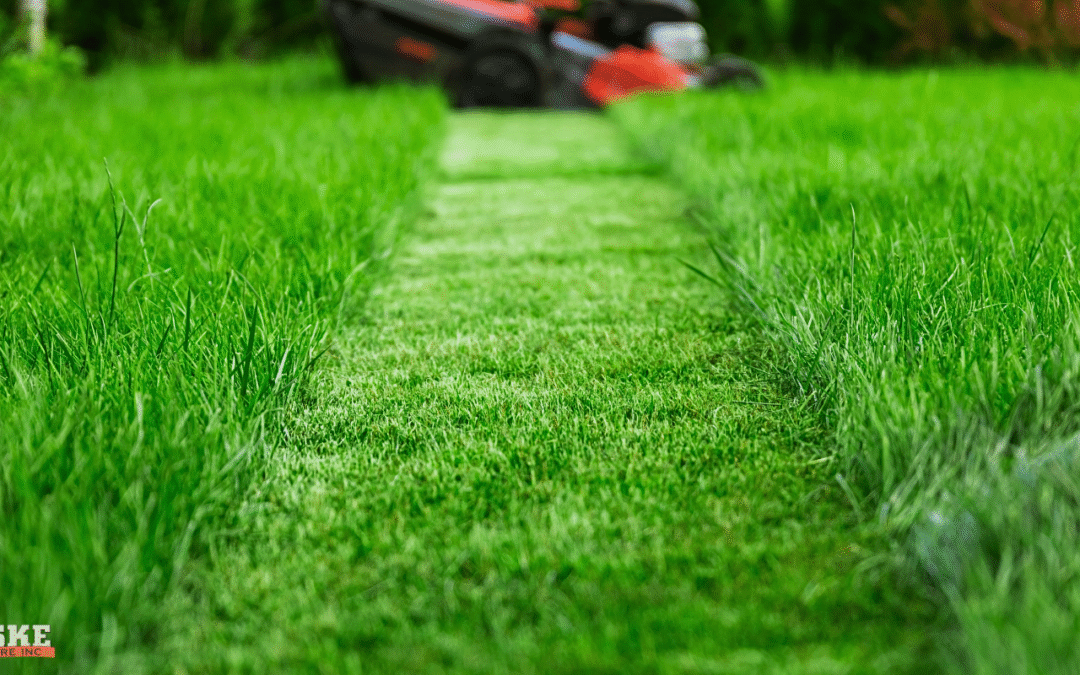
During June, most Wisconsin lawns will need to be mowed about once a week, sometimes more depending on rainfall and grass type.

Cool-season grasses thrive in temps between 60–75°F, and with consistent moisture, they grow quickly. If we’re getting steady rain or you’ve been watering regularly, your lawn might grow fast enough to need mowing every 4–6 days.

If it’s been a dry stretch, growth may slow down, meaning once every 7–10 days could be enough. The key is consistency—skipping weeks and then cutting it all at once can shock your grass and leave it vulnerable to stress, weeds, and disease.


Don’t Cut More Than One-Third

A good rule of thumb: Never remove more than one-third of the grass blade at a time.
Why? Cutting too much at once can stress the plant, weaken the root system, and expose the soil to sunlight—leading to more weeds and less moisture retention.

Let’s say your lawn is 4.5 inches tall. You should only cut it down to 3 inches, not lower.

If your grass gets too long between mows, raise the mower deck, cut a little, and return a few days later to bring it down gradually.


Best Mowing Height for Wisconsin Lawns

For most Madison-area lawns, the ideal mowing height is between 2.5 and 3.5 inches, depending on the grass type and time of year.

In June, it’s smart to stay on the higher end of that range—closer to 3.5 inches—especially as we get into late June and the weather starts to heat up. Taller grass shades the soil, helps retain moisture, and encourages deeper root growth, which makes your lawn more drought-tolerant going into July.


Adjusting for Weather and Lawn Conditions

Here are a few quick tips for mowing through June weather shifts:

  • After heavy rain: Let your lawn dry before mowing to avoid clumping and ruts.
  • During dry spells: Mow less frequently and never when the grass is brittle or stressed.
  • Before fertilizing or treating: Mow 1–2 days beforehand for better product absorption.

And don’t forget—keep your mower blades sharp! Dull blades tear the grass, causing brown tips and making your lawn more susceptible to disease.


Mowing your lawn consistently and correctly in June sets the tone for the rest of the summer. By sticking to the one-third rule, maintaining the right height, and adjusting based on rainfall, you can enjoy a thick, green lawn that stays healthy all season long.

Need help keeping up with your yard this summer? Friske Lawn Care offers reliable, professional mowing services across the Madison area. Let us handle the work—so you can sit back, relax, and enjoy the view.

What’s Bugging Your Lawn? Early Signs of Spring Pest Problems in Madison, WI

What’s Bugging Your Lawn? Early Signs of Spring Pest Problems in Madison, WI

As the snow melts and the grass starts growing again, many Madison homeowners breathe a sigh of relief—spring is finally here. But as your lawn begins to wake up, so do some unwanted visitors. Grubs, ants, and other lawn-damaging pests start to emerge around late April, and if you’re not paying attention, they can quickly turn your green lawn into a patchy mess.

So how do you know if pests are bugging your lawn? And more importantly—when should you act, and when should you wait? Here’s a quick guide from Friske Lawn Care to help you identify early spring pest problems and protect your yard before they get out of hand.


1. Grubs: The Underground Invaders

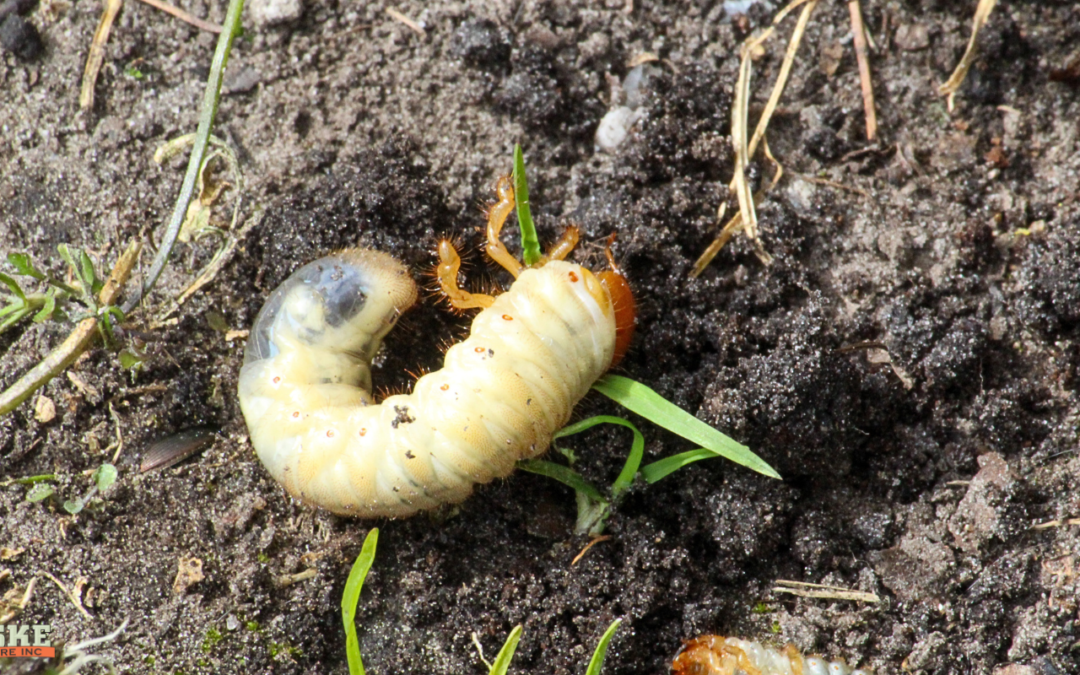
Grubs are the larvae of beetles (usually June bugs or Japanese beetles) that live beneath the soil and feed on grassroots. In early spring, they begin moving closer to the surface and resume feeding after spending the winter below the frost line.

Early Signs of Grub Damage:

  • Grass feels spongy when you walk on it.
  • Patches of grass turn brown or peel back easily, like a carpet.
  • Birds, skunks, or raccoons are tearing up your lawn looking for snacks.

When to Act:

Grubs are most effectively treated in late summer when they are newly hatched and closest to the surface. However, if you see significant spring damage or find five or more grubs per square foot, a spring treatment may be necessary to prevent further decline.


2. Ants: Small But Stubborn

Ants themselves don’t usually cause major harm to your lawn, but they can be a nuisance. They build visible mounds that can damage your mower and become a bigger problem if they start nesting near walkways or foundations.

Early Signs of Ant Activity:

  • Small dirt mounds in your lawn or between patio pavers.
  • Increased ant activity along driveways or sidewalks.
  • Grass dying near mound openings due to root disturbance.

When to Act:

If the mounds are isolated and not affecting your lawn’s health, you can wait or flatten them with a rake. If they start spreading rapidly or you notice ant trails inside your home, it’s time to take action with professional lawn-safe ant control.


3. Chinch Bugs: Tiny, Tough to Spot

These bugs may be small, but they can cause serious lawn damage by sucking moisture from grass blades and injecting them with toxins. They’re more common in hot, dry weather, but early populations can still start to grow in spring.

Early Signs of Chinch Bugs:

  • Yellow or brown patches of grass that don’t respond to watering.
  • Damage often appears near sidewalks, driveways, or sunny spots.
  • When you part the grass, you might spot tiny black bugs with white wings.

When to Act:

If you suspect chinch bugs, don’t wait—early intervention is key. Treatments are most effective before populations explode in the summer heat.


4. Earthworms: Friend, Not Foe

You might notice mounds or castings on your lawn this time of year, especially after rain. Don’t worry—those are likely from earthworms, and they’re actually helping your lawn by improving soil structure and nutrient cycling.

When to Act:

Don’t! Earthworms are beneficial, and while their castings can be a bit messy, they’re a sign of a healthy lawn ecosystem.


Final Thoughts: Know When to Watch, and When to Call

Spring pests don’t always mean disaster—but early signs should never be ignored. Whether you’re seeing brown patches, spongy spots, or strange mounds, it’s worth investigating before things get worse.

While Friske Lawn Care doesn’t offer pest control services, we’re happy to take a look, help identify what might be going on, and offer advice on next steps to keep your lawn healthy. Sometimes the issue isn’t pests at all—and we can help you figure that out.

Need a hand assessing your lawn this spring? Give us a call—your grass will thank you.


Is Spring Coming Early? What Warmer March Temperatures Mean for Your Lawn

Is Spring Coming Early? What Warmer March Temperatures Mean for Your Lawn

Madison, WI, has been experiencing some warmer-than-usual temperatures this March, leaving many homeowners wondering if spring is arriving early this year. While an early warm-up can be exciting, it also brings unique challenges for lawn care. Grass may start growing sooner, soil conditions may change rapidly, and weeds could take advantage of the mild temperatures.

So, what does this early warmth mean for your lawn? In this blog, we’ll cover how early spring temperatures affect grass growth and soil conditions, when to start mowing and fertilizing, and how to adjust your lawn care schedule to unpredictable weather patterns.

How an Early Warm-Up Affects Your Lawn

Unseasonably warm temperatures in March can kickstart your lawn’s growth cycle earlier than usual. While this might sound great, it’s essential to understand the effects on your grass and soil:

1. Faster Grass Growth & Early Green-Up

  • Warmer soil temperatures encourage grass to break dormancy sooner, leading to earlier green-up.
  • Cool-season grasses like Kentucky bluegrass and fescues may start growing weeks ahead of schedule.

2. Increased Weed Activity

  • Weeds, especially crabgrass and dandelions, thrive in fluctuating temperatures and may sprout earlier.
  • If pre-emergent herbicides aren’t applied in time, weeds can establish before your grass fully emerges.

3. Soil Moisture & Compaction Issues

  • A rapid transition from cold to warm weather can lead to overly saturated soil, increasing the risk of compaction.
  • Walking or mowing on wet soil can cause damage, leading to uneven growth and poor root development.

4. Risk of a Sudden Cold Snap

  • An early warm-up doesn’t guarantee that winter is over—late-season frosts can still damage young grass.
  • If new growth starts too early, it can be vulnerable to freezing temperatures.

When to Start Mowing, Fertilizing, and Other Lawn Care Tasks

With an early start to spring, it’s tempting to jump into lawn care right away. However, timing is everything. Here’s a guide to help you manage your lawn properly:

1. Mowing

✅ Wait until the grass is at least 3 to 4 inches tall before the first mow.
✅ Set your mower height to 3 inches to encourage strong root development.
✅ Avoid mowing on wet soil, as this can cause compaction and damage new growth.

2. Fertilizing

✅ Avoid fertilizing too early—late March or early April is ideal when the grass is actively growing.
✅ Choose a slow-release nitrogen fertilizer to encourage steady growth.
✅ If you fertilized in late fall, you may not need an early spring application.

3. Pre-Emergent Weed Control

✅ Apply pre-emergent herbicides when soil temperatures reach 50-55°F to prevent crabgrass.
✅ In Madison, this usually happens in late March to early April, but warm temperatures may move the timeline up.
✅ Avoid aerating your lawn right after applying pre-emergent, as it can disrupt the barrier.

4. Aeration & Overseeding

✅ If your lawn has compaction or bare spots, aerating and overseeding can help.
✅ However, spring aeration should only be done if necessary, as fall is the best time for this process.
✅ If you apply pre-emergent, overseeding may not be effective, as it prevents new seed from growing.

Tips for Adjusting Your Lawn Care Schedule

With unpredictable weather patterns, flexibility is key. Here’s how to stay ahead of the changes:

  • Monitor soil temperatures – You can check soil temps online or use a soil thermometer to track when to start pre-emergent weed control and fertilizing.
  • Watch for frost warnings – If a cold snap is forecasted, hold off on fertilizing or mowing.
  • Adjust watering habits – If warm temperatures cause early growth, ensure your lawn isn’t drying out too quickly. Water deeply but infrequently.
  • Schedule lawn care early – If warmer weather leads to a busier season, book your professional lawn care services before schedules fill up.

Let Friske Lawn Care Help You Manage Your Lawn This Season

With temperatures warming up earlier than expected, now is the time to prepare your lawn for a healthy season ahead. Friske Lawn Care is here to help with mowing, weed control, aeration, and more. Contact us today to schedule your lawn care services and ensure your yard stays lush and green all season long!


How to Protect Your Lawn During Snow Removal Season

How to Protect Your Lawn During Snow Removal Season

Winter in Madison brings snow, ice, and the constant need to clear driveways and sidewalks. While snow removal is essential for safety, it can take a toll on your lawn if it’s not done carefully. The good news? With a few smart strategies, you can protect your grass...

What Madison Homeowners Should Know About Wisconsin Grass Types

What Madison Homeowners Should Know About Wisconsin Grass Types

Wisconsin’s climate presents unique challenges and opportunities when it comes to maintaining a lush, green lawn. Madison homeowners need to choose the right grass type to ensure their lawn stays healthy through the state’s cold winters and warm summers. With cool-season grasses thriving best in Wisconsin, understanding their characteristics and maintenance needs can help you cultivate a lawn that enhances curb appeal and withstands seasonal changes.

Best Grass Types for Madison, WI

Since Wisconsin falls within the cool-season grass zone, the best grasses for Madison lawns are those that can handle cold winters and thrive in the mild to warm growing seasons of spring and fall. The most popular choices include:

1. Kentucky Bluegrass (Poa pratensis)

  • Why It’s Popular: Kentucky bluegrass is a top choice for Wisconsin lawns due to its rich green color, fine texture, and self-repairing ability.
  • Strengths: Tolerates cold winters well, spreads via underground rhizomes, and creates a dense, attractive turf.
  • Weaknesses: Slower to establish compared to other grasses, requires more maintenance and watering in dry periods.
  • Best For: Homeowners who want a lush, dense, high-quality lawn and are willing to put in the effort for upkeep.

2. Perennial Ryegrass (Lolium perenne)

  • Why It’s Popular: Fast germination makes it a great choice for quick lawn establishment or overseeding bare spots.
  • Strengths: Germinates in as little as five days, has a fine texture, and provides a rich green color.
  • Weaknesses: Doesn’t spread on its own, is prone to winter damage, and requires reseeding in high-traffic areas.
  • Best For: Blending with Kentucky bluegrass for a quick-establishing, visually appealing lawn.

3. Fine Fescues (Festuca spp.)

  • Why It’s Popular: Fine fescues are known for their low-maintenance requirements and ability to thrive in shade.
  • Strengths: Drought-resistant, thrives in poor soil, requires less fertilizer, and grows well in shaded areas.
  • Weaknesses: Less tolerant of heavy foot traffic, can become thin without proper care.
  • Best For: Homeowners with shaded or low-maintenance lawn areas.

4. Tall Fescue (Festuca arundinacea)

  • Why It’s Popular: Tall fescue is highly durable and more heat-tolerant than other cool-season grasses.
  • Strengths: Deep root system provides excellent drought tolerance, requires less water, and handles foot traffic well.
  • Weaknesses: Coarse texture makes it less visually appealing than Kentucky bluegrass or ryegrass.
  • Best For: Homeowners looking for a tough, low-maintenance lawn that can handle drought conditions.

5. Mixing Grass Types for the Best Results

Many Madison homeowners opt for grass seed blends that combine Kentucky bluegrass, perennial ryegrass, and fine fescues. This combination provides a resilient lawn that offers the best features of each grass type, such as rapid establishment, cold hardiness, and shade tolerance.

Essential Lawn Care Tips for Wisconsin Grass

No matter which grass type you choose, proper maintenance is key to keeping your lawn healthy year-round. Here are some important lawn care practices for Madison homeowners:

1. Early Spring Prep

  • Rake away winter debris to promote new growth.
  • Apply pre-emergent herbicides in early spring to prevent crabgrass and other weeds.

2. Mowing Best Practices

  • Set your mower height to 3 to 3.5 inches to encourage deep root growth.
  • Avoid cutting more than ⅓ of the grass blade at a time to prevent stress.

3. Watering Strategies

  • Lawns need about 1 to 1.5 inches of water per week during the growing season.
  • Water deeply and infrequently to encourage deep roots, preferably in the morning.

4. Fertilization & Soil Health

  • Apply a balanced fertilizer in early spring and late summer.
  • Conduct a soil test to check pH levels and nutrient deficiencies.
  • Avoid over-fertilizing, which can lead to excessive growth and more maintenance.

5. Aeration & Overseeding

  • Aerate compacted soil in the fall to improve water and nutrient absorption.
  • Overseed with a grass blend to keep the lawn thick and healthy.

6. Winter Protection

  • Avoid heavy foot traffic on frozen grass to prevent winter damage.
  • Use calcium-based de-icers instead of salt to protect grass near sidewalks and driveways.

Choosing the right grass type is the first step toward a beautiful, thriving lawn in Madison, WI. Whether you prefer the rich look of Kentucky bluegrass, the resilience of tall fescue, or a shade-tolerant mix, your lawn can thrive with the right care. By following seasonal maintenance practices and selecting a grass type suited to your property’s needs, you’ll enjoy a green, healthy lawn year after year.

If you need help preparing your lawn for spring or selecting the best grass type for your property, consider reaching out to a local lawn care professional in Madison. A well-maintained lawn not only enhances curb appeal but also creates a welcoming outdoor space for your home.

Friske Lawn Care is here to help you manage your lawn for the upcoming season with expert mowing, aeration, and more—contact us today!

How to Protect Your Lawn During Snow Removal Season

How to Protect Your Lawn During Snow Removal Season

Winter in Madison brings snow, ice, and the constant need to clear driveways and sidewalks. While snow removal is essential for safety, it can take a toll on your lawn if it’s not done carefully. The good news? With a few smart strategies, you can protect your grass...

How Late Can You Mow Your Lawn in Madison, WI?

How Late Can You Mow Your Lawn in Madison, WI?

As autumn settles in and temperatures start to drop, a common question we get from Madison area homeowners is: “When should I stop mowing my lawn for the year?” It can feel a bit confusing – after all, we don’t want to mow too early and leave the grass overgrown, but we also don’t want to stress it out before winter hits. Here’s a simple guide to help you decide when it’s finally time to put the mower away for the season and let your lawn rest.

Why Grass Dormancy Matters

First, it helps to understand a bit about grass dormancy. Think of dormancy like the lawn’s way of hibernating. As soil temperatures drop, cool-season grasses (like Kentucky bluegrass, fescues, and ryegrass, which are common in Madison) start preparing for winter. They slow down their growth and focus energy on preserving their roots, which helps them survive the cold months.

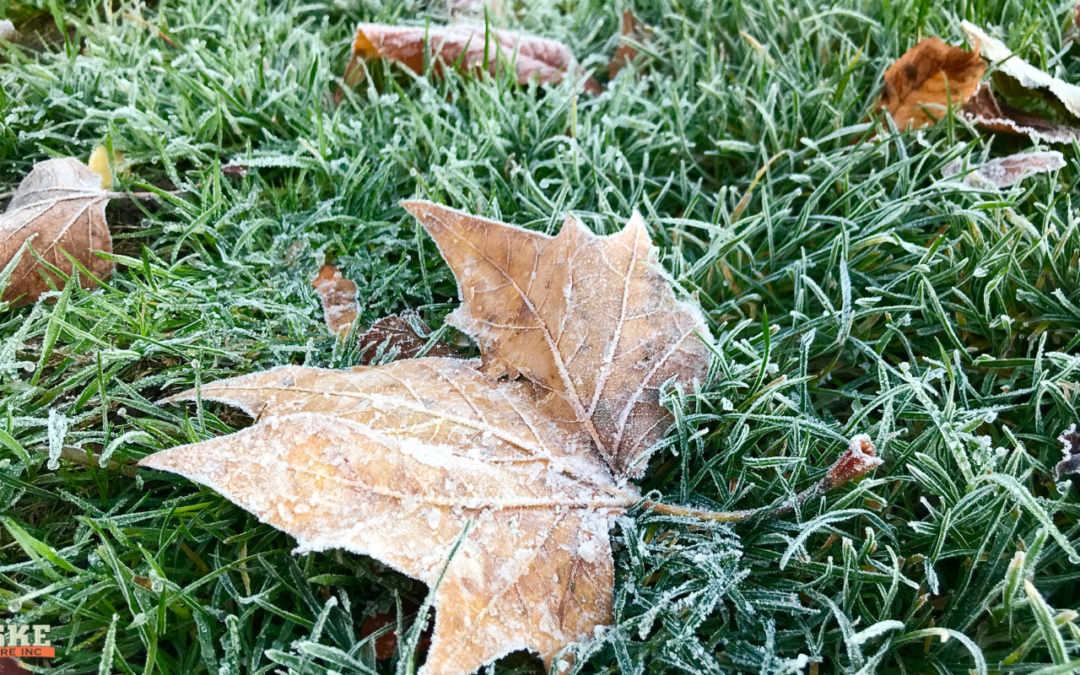
For most lawns in our area, dormancy kicks in when soil temperatures stay below 40 degrees Fahrenheit. In practical terms, this usually means sometime between late October and early November. But since Madison’s weather can be unpredictable, here are a few signs to watch for to know if your grass is done for the season.

Signs It’s Time for the Final Mow

Instead of focusing on the calendar, try watching your lawn’s growth patterns and keeping an eye on the weather. Here are some clear signals that your grass is getting ready for winter:

  1. Slower Growth
    If you’re noticing that the grass isn’t growing much between mows – maybe less than half an inch over a couple of weeks – it’s a good sign that dormancy is on its way. This is one of the easiest ways to tell when the grass is winding down for the year.
  2. Chillier Temperatures
    Consistently cooler days also give a good hint. When daytime highs stay below 50 degrees, your grass will slow considerably. If nights are regularly dipping below freezing, that’s a surefire signal that it’s time to think about the last mow.
  3. Soil Temperature Check
    If you’re really curious, you can grab a soil thermometer and check temperatures directly. Once your soil is staying below 40 degrees, your grass is essentially “clocking out” for the season.

The Final Mow – Keeping It Just Right

For the last mow, you’ll want to adjust your mower height to around 2.5-3 inches. This might sound specific, but it actually makes a big difference. A little shorter cut helps prevent the grass from matting under snow, which can lead to mold. But you don’t want to go too short either, as that can stress the grass and leave roots more vulnerable to the cold.

Why Not Just Stop Mowing Early?

Stopping mowing too soon can leave your lawn too long for the winter, which increases the risk of issues like mold and bare spots come spring. Longer grass can bend under the weight of snow, trapping moisture that leads to fungal diseases. Keeping up with mowing until dormancy fully kicks in ensures your lawn stays tidy and healthy for the long winter ahead.

Wrapping Up for Winter

After the final mow, it’s time to give some TLC to your mower. Clean the blades, change the oil if needed, and store it properly so it’s ready to go next season. You might also consider applying a winterizing fertilizer, which can help your grass store energy and come back stronger in spring.

In a Nutshell

In Madison, your last mow typically falls around late October or early November, depending on the weather. By keeping an eye on how your grass is growing and watching those temperatures, you’ll know when it’s time to officially wrap up lawn care for the year. A well-timed final mow and a bit of prep can make a big difference, helping your lawn emerge healthy and lush when spring rolls around. And if you’d rather leave it to the pros, Friske Lawn Care is here to handle your fall and winter prep, so your lawn is in perfect shape for the seasons ahead. Reach out for a free quote!


How to Protect Your Lawn During Snow Removal Season

How to Protect Your Lawn During Snow Removal Season

Winter in Madison brings snow, ice, and the constant need to clear driveways and sidewalks. While snow removal is essential for safety, it can take a toll on your lawn if it’s not done carefully. The good news? With a few smart strategies, you can protect your grass...