Don’t Let Leaves Smother Your Lawn: Smart Leaf Management Tips for a Healthier Yard

Don’t Let Leaves Smother Your Lawn: Smart Leaf Management Tips for a Healthier Yard

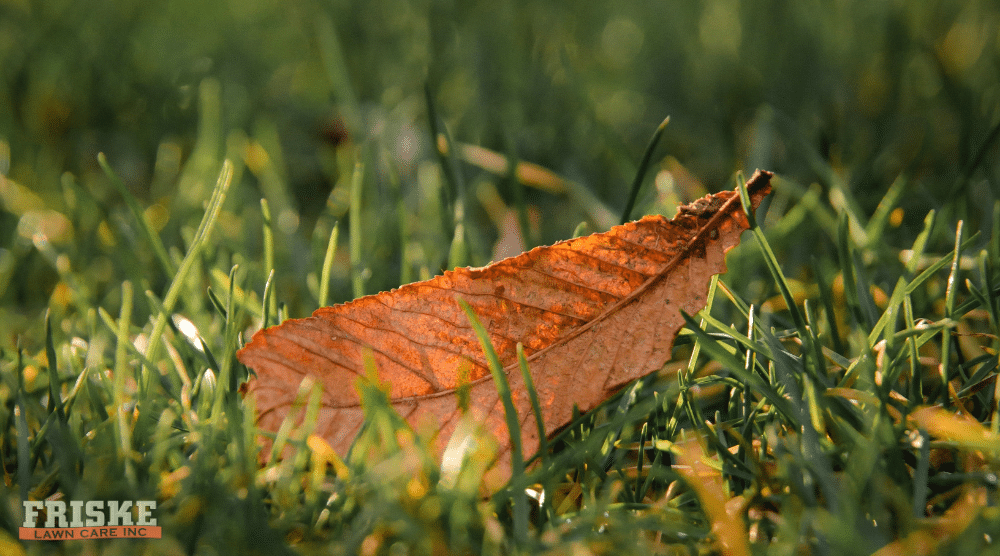
Fall has finally arrived in Madison! After an unusually dry and warm September, cooler temps have rolled in—and with them, a blanket of colorful leaves covering lawns across the city. While those shades of orange, yellow, and red look picture-perfect, once they hit the ground, they can quickly turn from festive to frustrating.

Managing leaves isn’t just about curb appeal—it’s one of the most important things you can do to keep your lawn healthy before winter sets in. Here’s why fall leaf cleanup matters, along with some easy, effective ways to handle the mess without losing your weekends to endless raking.


Why Leaf Cleanup Matters

When leaves pile up, they block sunlight and trap moisture underneath, suffocating your grass. Over time, this can lead to bare patches, fungus, and even dead spots by spring. A thick, wet layer of leaves also invites pests and creates a slippery, muddy mess when the snow starts to fall.

Taking care of leaves now helps your lawn breathe, reduces mold and disease risks, and gives you a head start on next year’s growth.


1. Don’t Wait Too Long

It’s tempting to wait until all the leaves fall before cleaning up—but that’s a recipe for trouble. Instead, tackle them in stages. Once your lawn is about one-third covered, it’s time to start clearing. Regular maintenance keeps leaves from getting matted down and makes the job easier overall.


2. Mulching: The Smart (and Easy) Approach

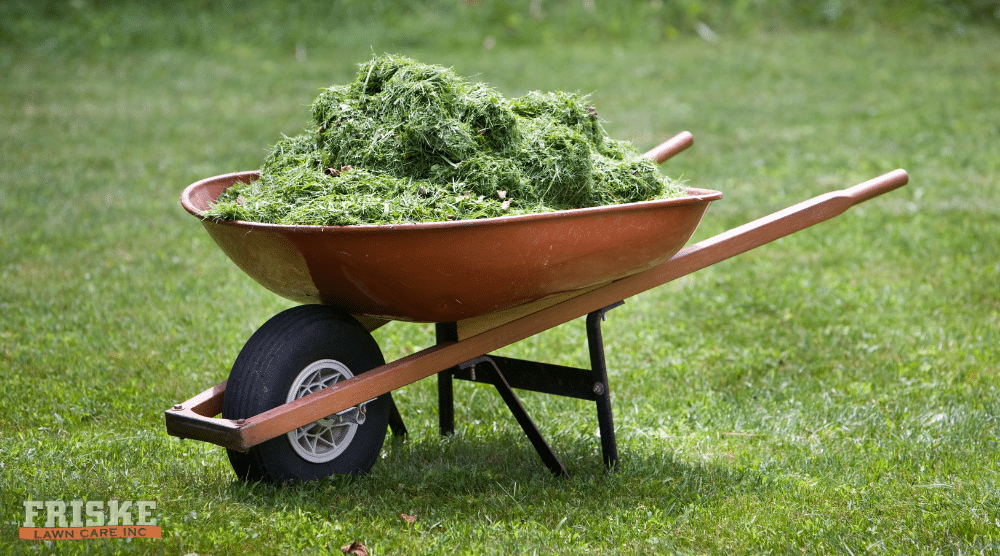
Instead of bagging every last leaf, consider mulching. A mulching mower chops leaves into tiny pieces that break down and return nutrients to the soil—essentially free fertilizer for your lawn.

To do it right:

  • Set your mower to its highest setting.
  • Mow when leaves are dry, not wet or clumped together.
  • Go over the area a couple of times until the pieces are small enough to fall between the grass blades.

This method saves time, reduces waste, and keeps your lawn fed naturally.


3. Raking and Blowing: Do It Right

If you prefer a clean sweep (or your yard has too many leaves for mulching), raking and leaf blowing are still effective options. Use a lightweight rake or an electric blower to avoid straining yourself.

Pro tip: Rake in a grid pattern, not just straight lines, to make sure you catch hidden piles. Once collected, compost your leaves or drop them off at Madison’s designated yard waste sites rather than bagging them for the landfill.


4. Protect Problem Areas

Pay special attention to low-lying or shaded spots where leaves tend to stay wet longer. These areas are more prone to mold and fungus. Keep them clear and let sunlight reach the grass as long as possible before winter dormancy kicks in.


5. Timing Is Everything

In Madison, peak leaf drop typically runs from mid-October through early November. Planning your cleanup before the first snow (which can come sooner than we’d like) keeps your lawn in much better shape come spring.


Let Friske Lawn Care Handle the Fall Cleanup

Fall in Wisconsin is beautiful—but it’s also busy. Between work, family, and everything else on your plate, finding time to stay on top of leaf cleanup isn’t always easy. That’s where Friske Lawn Care comes in. Our team can handle your fall leaf removal and end-of-season yard cleanup so you can spend more time enjoying the season and less time behind a rake. Contact us today to schedule your fall cleanup and get your lawn ready for a healthy winter rest.

Fall Weed Control: Stopping Dandelions and Crabgrass Before They Return

Fall Weed Control: Stopping Dandelions and Crabgrass Before They Return

When you think about lawn care in the fall, you probably picture raking leaves, aerating, or planting grass seed. But there’s one task many Madison homeowners overlook—and it can make all the difference for next spring’s lawn: fall weed control.

Weeds like dandelions and crabgrass don’t take the winter off. In fact, early fall is one of the best times to stop them in their tracks so they don’t reappear stronger than ever when the snow melts. By acting now, you can enjoy a greener, cleaner yard come April without battling an invasion of unwanted plants.


Why Fall Weed Prevention Works

For Crabgrass:
Crabgrass is an annual weed, meaning it dies off in fall—but not before dropping thousands of seeds into your lawn. Those seeds sit dormant through winter, ready to germinate in the spring as soon as the soil warms up. If you prevent those seeds from taking root, you break the cycle before it even begins.

For Dandelions and Other Perennials:
Unlike crabgrass, dandelions are perennials, which means they come back year after year from the same root system. In fall, dandelions are busy storing energy in their roots for winter survival. Applying a targeted treatment at this stage sends it straight to the root, making it much more effective than trying to tackle them in spring.


The Power of Pre-Emergent Herbicides

For crabgrass and other annual weeds, timing is everything when it comes to pre-emergent herbicides. While most people think of applying pre-emergents in early spring, there’s also value in a fall application—especially in lawns where crabgrass has been a recurring problem.

Applying a pre-emergent in late August to early September can stop some cool-season weeds from germinating and limit the seed bank that survives winter. Just remember, pre-emergents work by creating a barrier in the soil that prevents seeds from sprouting, so they need to be applied before germination begins.


Spot-Treating Stubborn Perennials

For broadleaf weeds like dandelions, plantain, and clover, a selective post-emergent herbicide applied in early fall can be highly effective. Since these weeds are actively pulling nutrients (and herbicides) down into their roots at this time of year, treatments work better now than during summer heat.

For smaller lawns or isolated weed patches, hand-pulling can also work—just make sure to remove the entire root. If even a small piece is left behind, the plant will grow back.


Cultural Practices That Keep Weeds Away

Weed prevention isn’t just about herbicides—healthy lawns naturally crowd out invaders. Here’s how to give your grass the upper hand:

  • Mow at the right height: Keeping grass around 3 inches tall shades the soil, making it harder for weed seeds to germinate.
  • Water deeply and infrequently: Shallow watering encourages weak grass and weed growth. Aim for about 1–1.5 inches per week.
  • Overseed thin areas: Bare or patchy spots are an open invitation for weeds. Fall overseeding helps fill in those gaps.
  • Aerate compacted soil: Dense soil makes it hard for grass roots to thrive, giving weeds an advantage.

Why Starting in Fall Makes Spring Easier

Think of fall weed control as an investment. The work you do now means fewer weeds competing with your grass in spring, less need for aggressive treatments later, and a head start on a thicker, healthier lawn. It’s a win-win: less work and a better-looking yard when warm weather returns.


Let Friske Lawn Care Handle the Fall Chores

Taking control of weeds in early fall can set your lawn up for a much healthier spring—but we know your time is limited. While you focus on tackling those dandelions and crabgrass before they return, Friske Lawn Care can handle the rest of your fall cleanup. From leaf removal to prepping your yard for winter, our team makes it easy to free up your weekends so you can focus on what matters most. Reach out today, and let’s get your lawn looking its best before the snow flies.

Humidity and Your Lawn: Preventing Summer Lawn Diseases Before They Spread

Humidity and Your Lawn: Preventing Summer Lawn Diseases Before They Spread

August in Madison can feel like living inside a steam room—hot days, sticky nights, and a constant layer of moisture in the air. While you might be reaching for iced tea and a fan, your lawn is dealing with its own version of discomfort. High humidity is more than just unpleasant—it’s the perfect breeding ground for lawn diseases that can turn your lush, green yard into a patchy, discolored mess.

The good news? With the right care and a little early attention, you can prevent these summer problems from getting out of hand.


Why Humidity is Tough on Lawns

When warm daytime temperatures are followed by humid nights, your lawn doesn’t get the chance to fully dry out. Moisture lingers on grass blades, creating the perfect environment for fungi to grow and spread. If your yard has compacted soil, poor drainage, or heavy shade, the problem can be even worse.


Common Humidity-Related Lawn Diseases in Madison

  • Rust: Shows up as orange or yellow powder on grass blades. It’s more common in late summer when lawns are stressed.

  • Leaf Spot: Small brown or purple spots appear on blades, eventually turning entire patches brown.

  • Pythium Blight: A fast-moving disease that causes greasy, water-soaked patches. It thrives in heat and humidity, especially in overwatered areas.

Spotting these early can save your lawn. If you see discolored patches that don’t bounce back after watering, it’s time to act.


Prevention is Key

1. Water Early, Not Often
Give your lawn about 1–1.5 inches of water per week, and do it early in the morning. This allows the grass to dry out during the day, reducing fungal risk. Avoid watering in the evening—moisture will linger overnight, feeding disease growth.

2. Mow at the Right Height
Keep your grass around 3 inches tall during hot, humid weather. Taller grass shades the soil, retains moisture better, and develops deeper roots. Make sure your mower blades are sharp—ragged cuts make grass more vulnerable to disease.

3. Improve Airflow
Trim back overgrown shrubs or low branches that block sunlight and air circulation. If your lawn is prone to compaction, aerating can improve drainage and help grass dry faster after rain or dew.

4. Don’t Overfertilize
Applying too much nitrogen in late summer can promote fast, weak growth that’s more susceptible to disease. Save heavy feeding for early fall when conditions are cooler.

5. Keep an Eye Out for Trouble
Walk your yard regularly to check for changes in color or texture. The sooner you spot a problem, the easier it is to control.


When to Call in the Pros

Some lawn diseases move quickly and can be tricky to manage without professional help. If you’ve tried adjusting your watering, mowing, and airflow but still see spreading patches or discoloration, it’s time to call in a lawn care expert for targeted treatment and recovery planning.


Friske Lawn Care Can Help Your Lawn Beat the Humidity

Madison summers can be tough on lawns, but you don’t have to face those humid-weather challenges alone. At Friske Lawn Care, we know how to protect your grass from summer stress and keep it looking its best—even in sticky August weather. From expert mowing to seasonal care strategies, we’re here to help your lawn stay green, healthy, and disease-free. Contact us today and let’s make sure your yard thrives all season long.

Summer Lawn Stress 101: Yellow Patches, Fungal Spots & What to Do About Them

Summer Lawn Stress 101: Yellow Patches, Fungal Spots & What to Do About Them

Summers in Madison, Wisconsin can be beautiful—but also brutally humid. While you might enjoy a lakeside breeze or a night at Concerts on the Square, your lawn might be sweating it out. High humidity, warm temperatures, and the occasional summer downpour can create a perfect storm for lawn stress. If you’ve noticed yellow patches, mysterious spots, or tired-looking turf, your grass might be waving a little white flag.

Let’s break down some of the most common heat- and humidity-related lawn problems, how to spot them, and what you can do to help your lawn bounce back.


1. Yellow Patches: What’s Going On?

Yellow patches are one of the first signs your lawn might be struggling. While discoloration can stem from several sources, during humid weather, heat stress and inconsistent watering are usually the main culprits.

What to look for:

  • Grass blades turning yellow or straw-colored
  • Uneven patches that may grow larger over time
  • Soil that feels hard or dry, especially during prolonged heat

What to do:

  • Water deeply, but not daily. Aim for about 1–1.5 inches per week, early in the morning to reduce evaporation and fungal risk.
  • Avoid mowing too short—keep your mower blade at around 3 inches to give your grass some shade and protect the roots.
  • Sharpen mower blades! Dull blades tear grass, leaving it more vulnerable to stress and disease.

2. Fungal Trouble: Dollar Spot & Brown Patch

Warm, wet conditions are ideal for fungi—and unfortunately, Madison summers often deliver both. Two of the most common fungal diseases in our area are dollar spot and brown patch.

Dollar Spot:
This fungal disease gets its name from the small, silver-dollar-sized spots it creates. They can blend together and form larger patches if left untreated.

Brown Patch:
Brown patch typically shows up as larger, irregular brown or tan areas with a darker “smoke ring” edge. It thrives in overnight humidity and can spread quickly.

What to look for:

  • Circular or irregular discolored spots
  • Greasy-looking or water-soaked grass blades in the morning
  • Disease progression after rainy or overly humid weather

What to do:

  • Water early in the day—never in the evening—so grass has time to dry before nightfall.
  • Avoid overwatering and overfertilizing, especially with nitrogen-rich fertilizers during hot weather.
  • Improve air circulation: trim back overgrown landscaping or consider aerating to reduce soil compaction and improve airflow.
  • For severe cases, a fungicide may be needed. Your local garden center or lawn care pro can help you choose the right one.

3. General Summer Lawn Care Tips for Madison Yards

Even if your lawn isn’t currently struggling, now’s a great time to be proactive. Here’s how to keep your grass in top shape during the dog days of summer:

  • Mow High & Infrequently: Taller grass shades roots and retains moisture better. Only mow when necessary, and avoid doing it during peak heat.
  • Water Early, Not Often: Deep, infrequent watering encourages deep root growth and prevents shallow, weak roots.
  • Skip the Fertilizer: Hold off on fertilizing during extreme heat. Wait until late summer or early fall when conditions are more favorable.
  • Stay Off the Grass: Limit foot traffic during stressed periods. Compacted, hot soil doesn’t recover well from wear and tear.

Need Help? Friske Lawn Care is Here for You

If your lawn is looking more stressed than serene this summer, you’re not alone. Madison lawns go through a lot this time of year, and it’s easy to feel overwhelmed. At Friske Lawn Care, we’ve seen it all—and we’re here to help. From expert mowing to seasonal care strategies, we’ll work with you to give your yard exactly what it needs to recover and thrive. Get in touch today and let’s bring your lawn back to life!

How Often Should You Mow in June? Lawn Growth Tips for Wisconsin Yards

How Often Should You Mow in June? Lawn Growth Tips for Wisconsin Yards

June is prime time for lush, green lawns across Wisconsin. The combination of warm days, cooler nights, and occasional rain makes this one of the most active growing periods for cool-season grasses like Kentucky bluegrass, ryegrass, and fescue—all common in Madison-area lawns.

While that surge of green is a welcome sight, it also means your lawn needs more attention than it did in early spring. Mowing becomes a key part of keeping your lawn healthy, neat, and strong. But how often should you mow in June? And are there risks to mowing too much—or too little?

Let’s break it down.


The Ideal Mowing Frequency in June

During June, most Wisconsin lawns will need to be mowed about once a week, sometimes more depending on rainfall and grass type.

Cool-season grasses thrive in temps between 60–75°F, and with consistent moisture, they grow quickly. If we’re getting steady rain or you’ve been watering regularly, your lawn might grow fast enough to need mowing every 4–6 days.

If it’s been a dry stretch, growth may slow down, meaning once every 7–10 days could be enough. The key is consistency—skipping weeks and then cutting it all at once can shock your grass and leave it vulnerable to stress, weeds, and disease.


Don’t Cut More Than One-Third

A good rule of thumb: Never remove more than one-third of the grass blade at a time.
Why? Cutting too much at once can stress the plant, weaken the root system, and expose the soil to sunlight—leading to more weeds and less moisture retention.

Let’s say your lawn is 4.5 inches tall. You should only cut it down to 3 inches, not lower.

If your grass gets too long between mows, raise the mower deck, cut a little, and return a few days later to bring it down gradually.


Best Mowing Height for Wisconsin Lawns

For most Madison-area lawns, the ideal mowing height is between 2.5 and 3.5 inches, depending on the grass type and time of year.

In June, it’s smart to stay on the higher end of that range—closer to 3.5 inches—especially as we get into late June and the weather starts to heat up. Taller grass shades the soil, helps retain moisture, and encourages deeper root growth, which makes your lawn more drought-tolerant going into July.


Adjusting for Weather and Lawn Conditions

Here are a few quick tips for mowing through June weather shifts:

  • After heavy rain: Let your lawn dry before mowing to avoid clumping and ruts.
  • During dry spells: Mow less frequently and never when the grass is brittle or stressed.
  • Before fertilizing or treating: Mow 1–2 days beforehand for better product absorption.

And don’t forget—keep your mower blades sharp! Dull blades tear the grass, causing brown tips and making your lawn more susceptible to disease.


Mowing your lawn consistently and correctly in June sets the tone for the rest of the summer. By sticking to the one-third rule, maintaining the right height, and adjusting based on rainfall, you can enjoy a thick, green lawn that stays healthy all season long.

Need help keeping up with your yard this summer? Friske Lawn Care offers reliable, professional mowing services across the Madison area. Let us handle the work—so you can sit back, relax, and enjoy the view.

What’s Bugging Your Lawn? Early Signs of Spring Pest Problems in Madison, WI

What’s Bugging Your Lawn? Early Signs of Spring Pest Problems in Madison, WI

As the snow melts and the grass starts growing again, many Madison homeowners breathe a sigh of relief—spring is finally here. But as your lawn begins to wake up, so do some unwanted visitors. Grubs, ants, and other lawn-damaging pests start to emerge around late April, and if you’re not paying attention, they can quickly turn your green lawn into a patchy mess.

So how do you know if pests are bugging your lawn? And more importantly—when should you act, and when should you wait? Here’s a quick guide from Friske Lawn Care to help you identify early spring pest problems and protect your yard before they get out of hand.


1. Grubs: The Underground Invaders

Grubs are the larvae of beetles (usually June bugs or Japanese beetles) that live beneath the soil and feed on grassroots. In early spring, they begin moving closer to the surface and resume feeding after spending the winter below the frost line.

Early Signs of Grub Damage:

  • Grass feels spongy when you walk on it.
  • Patches of grass turn brown or peel back easily, like a carpet.
  • Birds, skunks, or raccoons are tearing up your lawn looking for snacks.

When to Act:

Grubs are most effectively treated in late summer when they are newly hatched and closest to the surface. However, if you see significant spring damage or find five or more grubs per square foot, a spring treatment may be necessary to prevent further decline.


2. Ants: Small But Stubborn

Ants themselves don’t usually cause major harm to your lawn, but they can be a nuisance. They build visible mounds that can damage your mower and become a bigger problem if they start nesting near walkways or foundations.

Early Signs of Ant Activity:

  • Small dirt mounds in your lawn or between patio pavers.
  • Increased ant activity along driveways or sidewalks.
  • Grass dying near mound openings due to root disturbance.

When to Act:

If the mounds are isolated and not affecting your lawn’s health, you can wait or flatten them with a rake. If they start spreading rapidly or you notice ant trails inside your home, it’s time to take action with professional lawn-safe ant control.


3. Chinch Bugs: Tiny, Tough to Spot

These bugs may be small, but they can cause serious lawn damage by sucking moisture from grass blades and injecting them with toxins. They’re more common in hot, dry weather, but early populations can still start to grow in spring.

Early Signs of Chinch Bugs:

  • Yellow or brown patches of grass that don’t respond to watering.
  • Damage often appears near sidewalks, driveways, or sunny spots.
  • When you part the grass, you might spot tiny black bugs with white wings.

When to Act:

If you suspect chinch bugs, don’t wait—early intervention is key. Treatments are most effective before populations explode in the summer heat.


4. Earthworms: Friend, Not Foe

You might notice mounds or castings on your lawn this time of year, especially after rain. Don’t worry—those are likely from earthworms, and they’re actually helping your lawn by improving soil structure and nutrient cycling.

When to Act:

Don’t! Earthworms are beneficial, and while their castings can be a bit messy, they’re a sign of a healthy lawn ecosystem.


Final Thoughts: Know When to Watch, and When to Call

Spring pests don’t always mean disaster—but early signs should never be ignored. Whether you’re seeing brown patches, spongy spots, or strange mounds, it’s worth investigating before things get worse.

While Friske Lawn Care doesn’t offer pest control services, we’re happy to take a look, help identify what might be going on, and offer advice on next steps to keep your lawn healthy. Sometimes the issue isn’t pests at all—and we can help you figure that out.

Need a hand assessing your lawn this spring? Give us a call—your grass will thank you.