Jan 31, 2023 | Gardening, Lawn
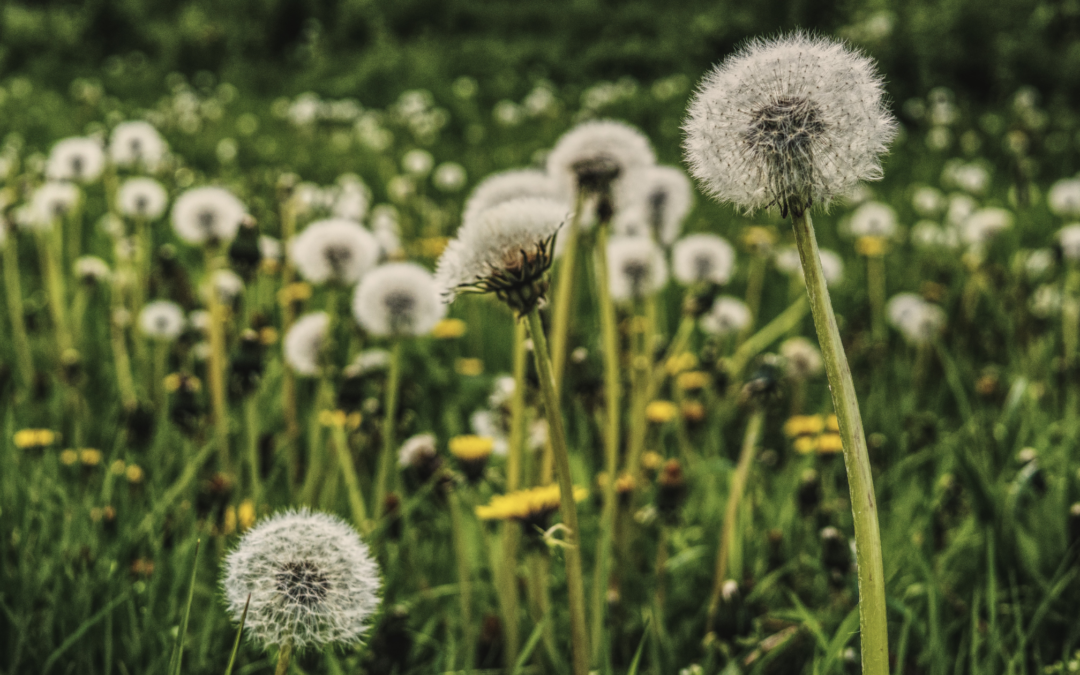
Dandelions are a common weed that can be found in many lawns and gardens. While they are often considered a nuisance, there are few simple techniques to help you get rid of dandelions.
Remove the Dandelions Manually
This can be done by using a weeding tool or a long-handled cultivator to dig up the roots of the dandelions. It is important to make sure to remove as much of the root as possible. Dandelions don’t need much root to start growing again!
Use a Chemical Herbicide
These can be applied to the leaves of the dandelions, and will be absorbed by the plant and travel down to the roots, killing the entire plant. However, it is important to use a herbicide that is specifically labeled for use on dandelions, as some herbicides may harm other plants in your lawn or garden.
Use a Natural Herbicide
Examples of natural herbicide would be vinegar or boiling water. These can be applied directly to the leaves of the dandelions, and will cause the plant to dry out and die. However, it is important to note that vinegar and boiling water can also harm other plants in your lawn or garden, so be careful when using these methods.
Prevent Dandelions From Growing in the First Place
One way to do this is to maintain a healthy lawn by mowing it regularly, fertilizing it, and watering it as needed. A healthy lawn will be better able to compete with weeds, making it less likely for dandelions to take root. Additionally, making sure to remove any dandelions that do appear as soon as possible will prevent them from going to seed and spreading to other parts of your lawn or garden.
At the end of the day, it is important to choose the method that works best for you and your specific situation, and to be careful when using any chemicals or natural herbicides to avoid harming other plants.
Need help keeping dandelions and other weeds out of your landscape beds? Friske Lawn Care can help with that! Reach out for a quote today for our weeding services!
Jan 3, 2023 | Lawn
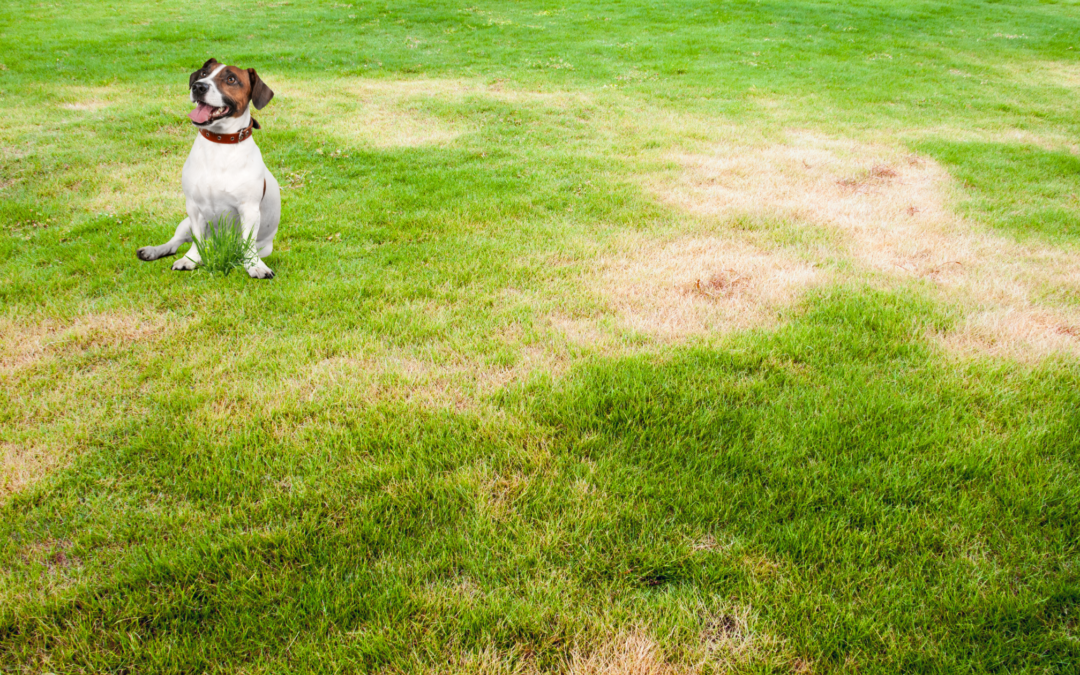
Having a dog is all fun and games, until your yard starts to look terrible from all of the urine spots Fido leaves behind. Fortunately, there is hope for your dog and your lawn to coexist. Read on to learn how to fix dog urine spots on your lawn.
Why does dog urine leave spots in the lawn?
Dog urine lawn spots happen because of the high amount of nitrogen and related salts naturally contained in dog urine. Lawn damage happens when concentrated urine collects in the same area repeatedly, like fertilizer burn.
Some areas of your lawn may recover on their own, however, areas that your dog frequents for urination will typically need dog urine repair.
How to Fix Dog Urine Spots On Your Lawn
With the right products, and a little patience, dog urine grass repair can be a pretty easy fix. The remedy for brown spots is different than the remedy for green spots, so knowing which ones you are dealing with is important.
Fixing Green Lawn Spots:
Nitrogen is an essential plant nutrient, so some of your dogs favorite spots to relieve himself can become greener from the urine’s nitrogen. This tends to happen more with grass hasn’t been fertilized with enough nitrogen. If this is the case, your lawn could have low nitrogen. You can find out the exact levels by taking a sample of your soil to be tested. To correct this, apply Pennington UltraGreen Lawn Fertilizer 34-0-4 every 60 to 90 days through the growing season, or as needed according to your soil lab results. This particular fertilizer helps to increase drought tolerance, which is much like tolerance to urine salts. It will also help boost nutrients for a nice green lawn.
Fixing Brown Lawn Spots:
Brown spots are more severe because they are dead or dying grass. A lawn that is weak or overly dry is more prone to this type of dog urine damage. If you start to see spots like this, water the areas repeatedly to flush out the urine salts. Saturating the areas will help clean the surrounding soil.
You cannot bring dead grass back to life, but you can repair the areas affected by the dog urine spots. Start by removing the dead grass and then treating the area with Pennington One Step Complete. This product is easy-to-use and premixed, for quick and simple lawn repair. You get premium grass seed, professional-grade fertilizer and natural mulch in one product. Be sure to choose the best variation for your grass type and growing climate.
Be sure to keep your pet away from any areas that are being treated. Your dog should be safe around these treatments, but you don’t want to waste all of your hard work. Generally it is best to let grass grow and mow it at least three to four times before you allow dog or people traffic.
Now that you’ve fixed all those spots in the lawn, maybe you want to let someone else take care of your regular lawn maintenance. Friske Lawn Care would be happy to tackle this for you. Reach out today for a free quote!
Nov 30, 2022 | Plants and Trees
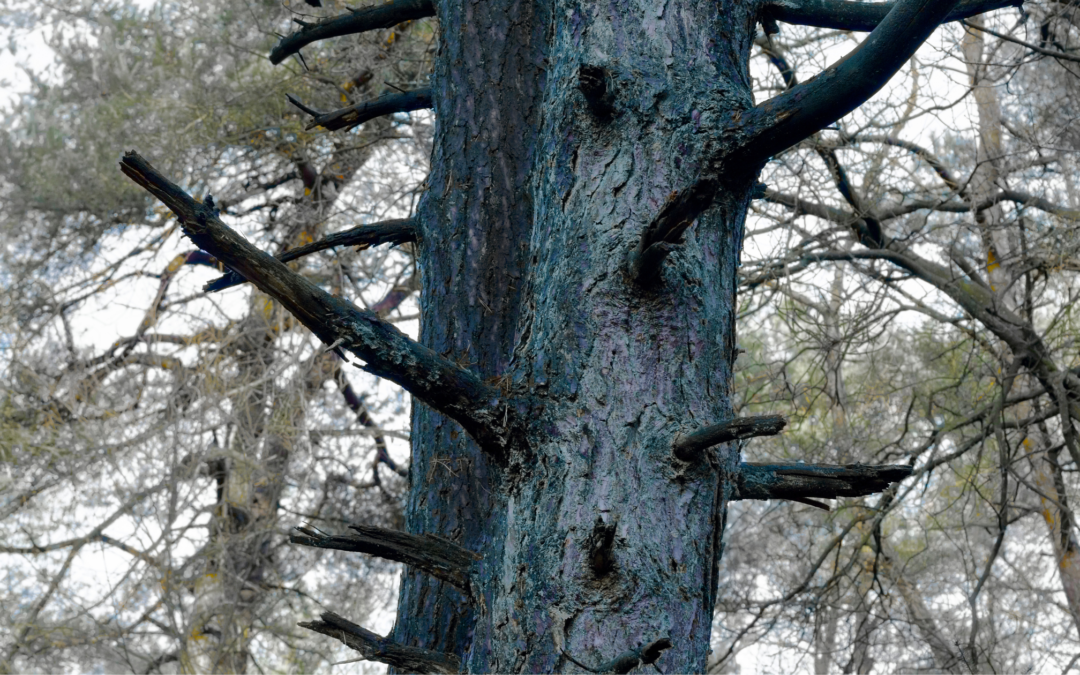
Do you have a tree on your property that doesn’t look quite right? There is a possibility that your tree is dying. There are signs to check for, making it easier to decide if you need to treat the tree or just remove it. Here are some signs to look to to confirm whether or not your tree is dying.
Check the Trunk
Check the tree trunk for the following:
- Vertical cracks
- Missing bark
- Cankers or areas of dead bark
- Scratch the trunk to check the inner layer of bark. If it is brown, the tree is likely dead.
Check the Branches
Look for the following signs in the branches:
- Loss of leaves out of season
- Brown or brittle leaves during the growing season
- Dead leaves holding onto branches
- Weak joints between branches
Damaged Roots
If your tree suddenly develops a noticeable lean, you may have root damage. Anther sign of this is small branches sprouting from the bottom of the tree. If your tree has exposed roots you can check to see if the roots are turning slimy.
Bugs and Fungus
A large fungus growth on a tree can be a good indicator that the tree is rotting inside. Any critters such as bark beetles or carpenter ants are signs that a tree is dying.
Change in Surroundings
A change in the tree’s environment can have a big impact on it. If things around the tree have been moved and the tree is getting more wind or light, that can have a negative effect on the tree. If there was any construction near the tree, the roots may have been damaged.
Prevention
Of course there are ways to prevent a tree from dying:
- Avoid hitting the tree when doing yard work
- Be gentle around exposed roots
- Give the tree lots of room to breathe and absorb light. If you’re planting a new tree, put it in an area where it can grow fully.
- If you are in a drought, water your trees
- Be sure to prune trees as needed and at the right time of year
Need help taking care of the trees on your property? Friske Lawn Care offers a wide variety of tree care programs in addition to pruning services. Reach out today for a free quote!

Recent Comments