
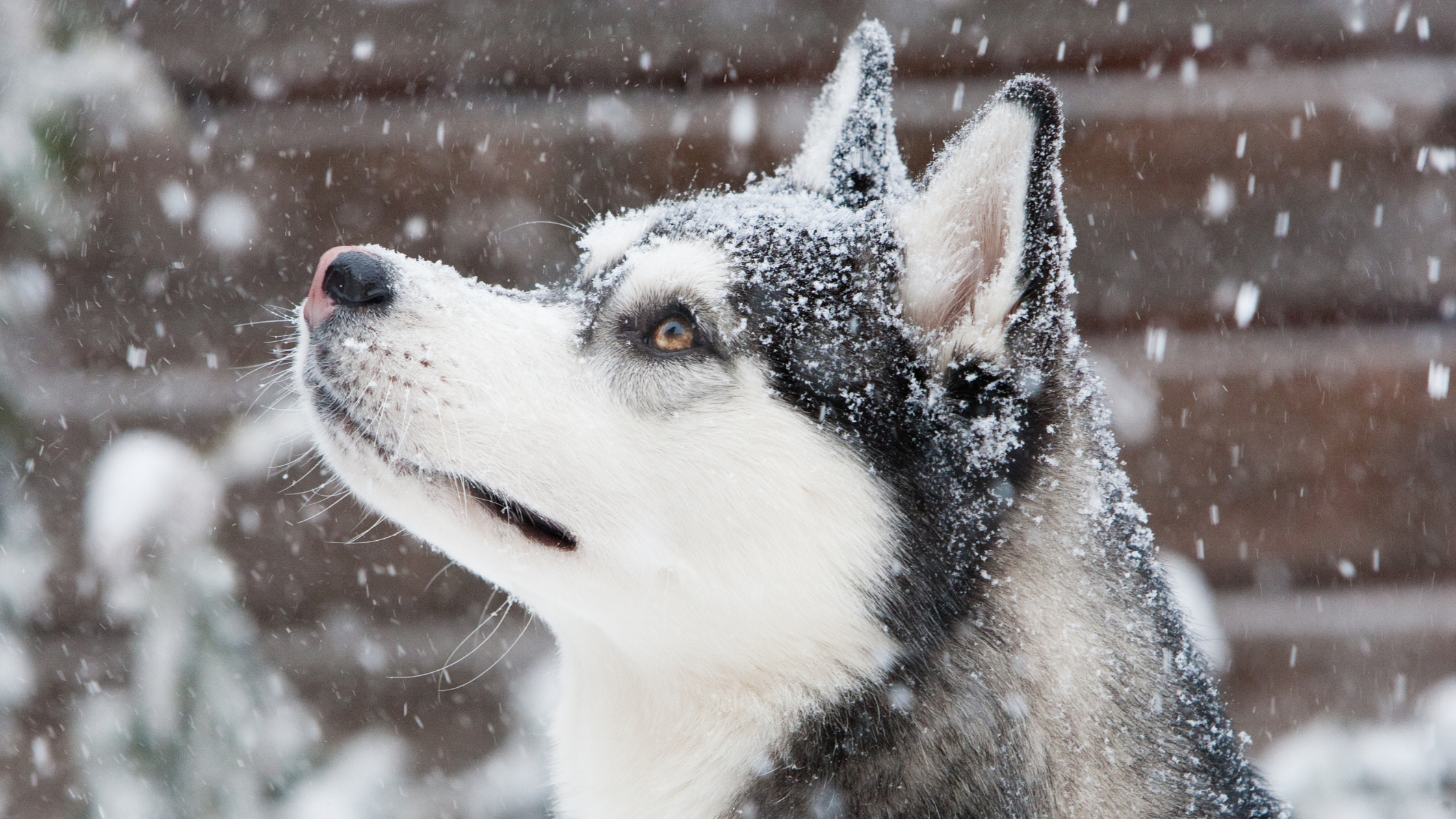
As the chill of winter sets in, pet owners face the dual challenge of keeping their lawns healthy while ensuring a safe and enjoyable environment for their furry companions. Here are some essential tips to help you navigate winter lawn care as a pet owner.
1. Choose Pet-Friendly De-icing Products
Winter often brings ice and snow, requiring the use of de-icing products. However, many common de-icers can be harmful to pets, causing irritation to their paws or issues if ingested. Opt for pet-safe de-icers, which are typically made from urea or magnesium chloride, and avoid products with calcium chloride or sodium chloride.
2. Regular Paw Cleaning
After outdoor play, always wipe your pet’s paws to remove any ice, snow, or de-icing chemicals. This practice not only protects their paws but also prevents them from licking off any toxic substances they might have stepped on.
3. Maintain Your Lawn Regularly
Even in winter, it’s important to keep your lawn mowed and leaves raked. A well-maintained lawn prevents the accumulation of damp leaves which can harbor mold and other harmful agents. Shorter grass also deters rodents and other pests that might be a danger to your pets.
4. Fence and Monitor Your Lawn
To keep your pets safe, ensure that your lawn is securely fenced. This barrier not only keeps your pets from wandering off but also prevents wild animals from entering your yard. Regularly inspect the fence for any damage or gaps.
5. Avoid Toxic Plants and Chemicals
Some common winter plants, like holly and mistletoe, are toxic to pets. Ensure your garden is free of these and other harmful plants. Also, avoid using chemical-based fertilizers or pesticides on your lawn, as these can be hazardous to pets.
6. Provide Shelter and Warmth
If your pet spends a lot of time outdoors, make sure they have a warm, dry place to take shelter. A good dog house, insulated and elevated from the ground, can provide the necessary refuge from the cold.
7. Monitor Outdoor Time
During extreme cold spells, limit the amount of time your pet spends outside. Prolonged exposure to cold temperatures can lead to frostbite and hypothermia.
8. Stay Vigilant About Hydration
Ensure your pet has access to fresh, unfrozen water. Pets can dehydrate just as easily in winter as they can in summer.
9. Use Safe Lawn Enhancements
Consider using pet-friendly lawn enhancers like mulch or peat moss. These materials are safe for pets and can help protect your lawn from the harsh winter elements.
10. Create Designated Bathroom Areas
To maintain lawn health, train your pet to use a specific area of the yard for bathroom breaks. This practice helps prevent lawn burn from pet urine and makes cleanup easier.
Summer Stress Meets Fall Recovery: What Your Madison Lawn Needs in September
September has arrived in Madison, but apparently summer did not get the memo. We are heading toward fall, yet the warm temperatures and muggy days are still hanging around. While we might be ready for crisp mornings and sweatshirt weather, our lawns are still dealing...
Late Summer Mowing Tips for Madison Lawns
By the time August rolls around, most Madison lawns have been through a lot. Between the heat, humidity, summer storms, and kids and pets spending more time outside, your lawn is probably looking a little more tired than it did back in May. While the grass may not be...

Why Consistent Lawn Maintenance Matters Even During the Heat
Summer has officially settled into Madison, and with it comes hot afternoons, sticky humidity, and the temptation to stay inside with the air conditioning cranked up. While you might want to take a break from yard work, your lawn doesn't have that luxury. When...
0 Comments